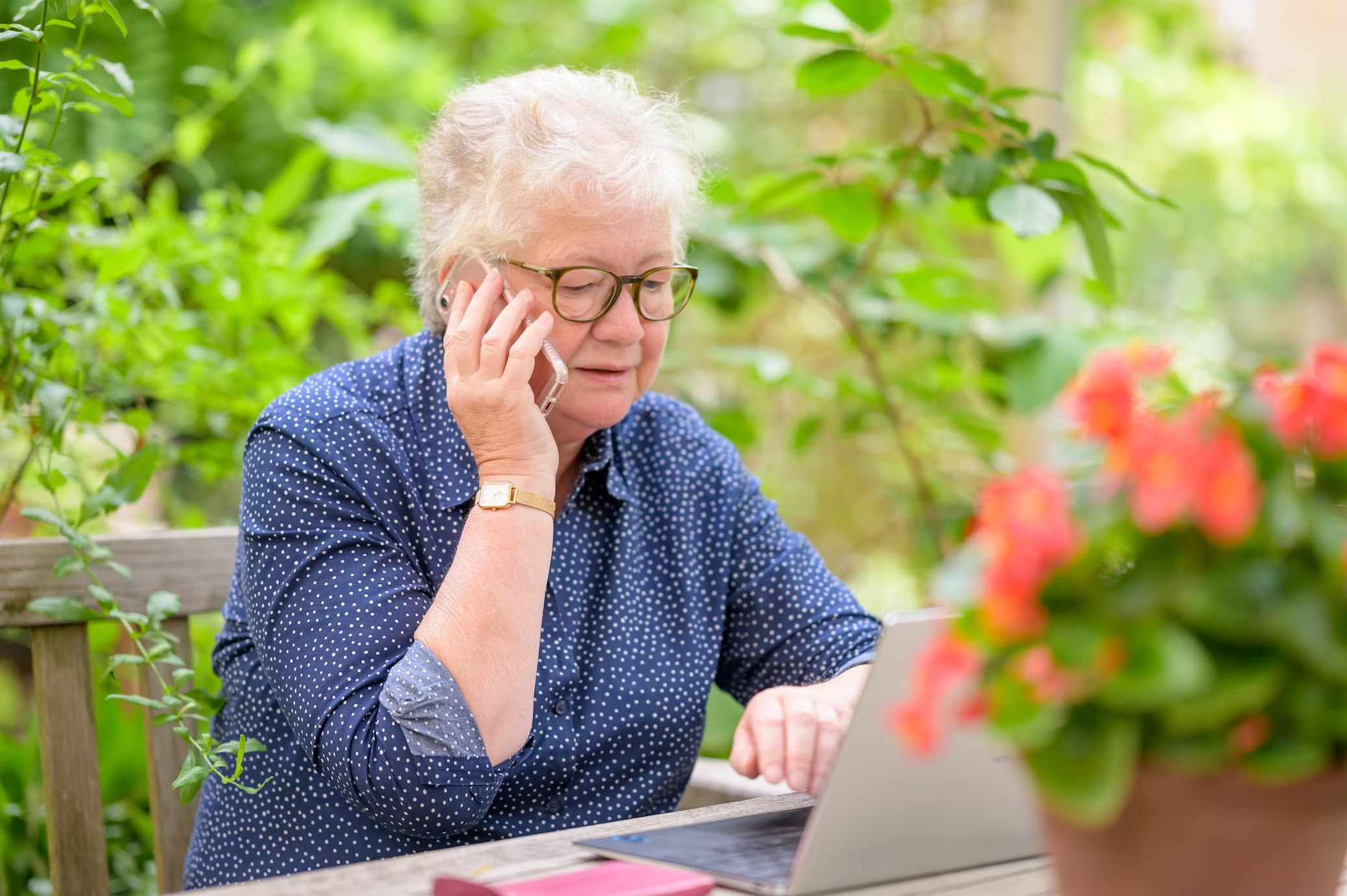



Starting home care can feel unfamiliar. Whether it’s for yourself, an elderly parent, or someone recovering from illness, the first home visit sets the tone for everything that follows.
Here’s a clear, practical guide so you know exactly what happens, what to prepare, and how to make the most of it.
Understanding the purpose of a first home visit
A first home visit is not just a routine check. It’s the foundation of a personalised care plan.
A trained caregiver or care coordinator visits your home to understand:
- Daily routines and lifestyle
- Medical or mobility needs
- Home environment and safety risks
- Personal preferences and cultural needs
- Family involvement and expectations
The goal is simple: build a care plan that fits your real life, not a generic template.
In UK home care services, providers increasingly use structured assessments to reduce hospital readmissions and improve patient independence. NHS-backed community care models also emphasise early home assessments to reduce avoidable emergency visits.
Before the visit: what you should prepare
You don’t need to “get everything perfect.” But a little preparation helps the visit go smoothly.
Have these ready
- Medical records or discharge summaries
- Medication list (including dosages)
- Details of GP or specialist care
- Emergency contact information
- Any mobility aids you already use
Think about your needs
- What tasks are becoming difficult?
- What time of day do you need the most support?
- Do you prefer male or female caregivers?
- Any cultural or dietary preferences?
This helps the care team design support that actually works for you.
During the home visit: what actually happens
The visit usually lasts between 30 minutes to 1.5 hours depending on complexity.
Here’s what typically happens:
1. Introduction and conversation
The caregiver or assessor will introduce themselves and explain the process in simple terms.
2. Health and lifestyle assessment
They’ll ask questions about:
- Physical health conditions
- Medication routines
- Eating and drinking habits
- Sleep patterns
- Mental wellbeing and memory (if relevant)
3. Home safety check
They may look at:
- Stairs and mobility access
- Bathroom safety
- Trip hazards (loose rugs, clutter)
- Lighting conditions
This helps reduce fall risks, which remain one of the leading causes of hospital admissions among older adults in the UK.
4. Daily routine understanding
Expect questions like:
- What does a normal day look like for you?
- When do you need help most?
- What activities do you want to stay independent with?
5. Agreement on care plan direction
Before leaving, they’ll outline the next steps:
- Type of care required (personal care, companionship, nursing support)
- Frequency of visits
- Emergency procedures
No final care plan is locked in immediately in most cases. It’s refined after review.
After the visit: what happens next
Once the visit is completed, the care provider will:
- Create a personalised care plan
- Assign suitable caregivers
- Schedule visit times
- Share the plan with you or your family for approval
In many modern care systems, digital care platforms are used to update families in real time. This improves transparency and reduces communication gaps.
Common concerns people have
Will strangers judge my home?
No. The focus is safety and support, not judgment.
Do I need to clean everything?
Not necessary. Just ensure safe access to key areas like the bedroom, kitchen, and bathroom.
Can family members join?
Yes, and it’s often encouraged. It helps ensure everyone is aligned.
What if I change my mind later?
Care plans are flexible and can be adjusted as needs evolve.
How to get the most out of your first visit
A few simple actions make a big difference:
- Be honest about your limitations
- Ask questions without hesitation
- Share your daily frustrations clearly
- Include family input if possible
- Don’t hide small issues—they often matter most
Good care planning depends on accurate details, not perfect answers.
Final thoughts
Your first home visit is the start of structured, personalised support. It’s not an inspection—it’s a conversation designed to help you stay safe, independent, and comfortable at home.
The more open and prepared you are, the better the care plan will fit your life.
FAQs
- How long does a first home care visit take? — Usually between 30 minutes and 90 minutes depending on your needs.
- Do I need a referral for a home visit? — Not always. Many private care providers allow direct booking, while NHS-supported services may require a referral.
- What happens if I feel uncomfortable during the visit? — You can pause or stop the discussion anytime and ask questions before continuing.
- Will I get care on the same day? — In urgent cases, care can start within 24–48 hours, but normally it begins after the care plan is finalised.
- Can I choose my caregiver? — Many providers try to match caregivers based on preferences like gender, language, and experience.
- Is the home visit free? — It depends on the provider. Some assessments are free, especially under NHS-funded care, while private providers may charge a fee.